You probably do not need one of these
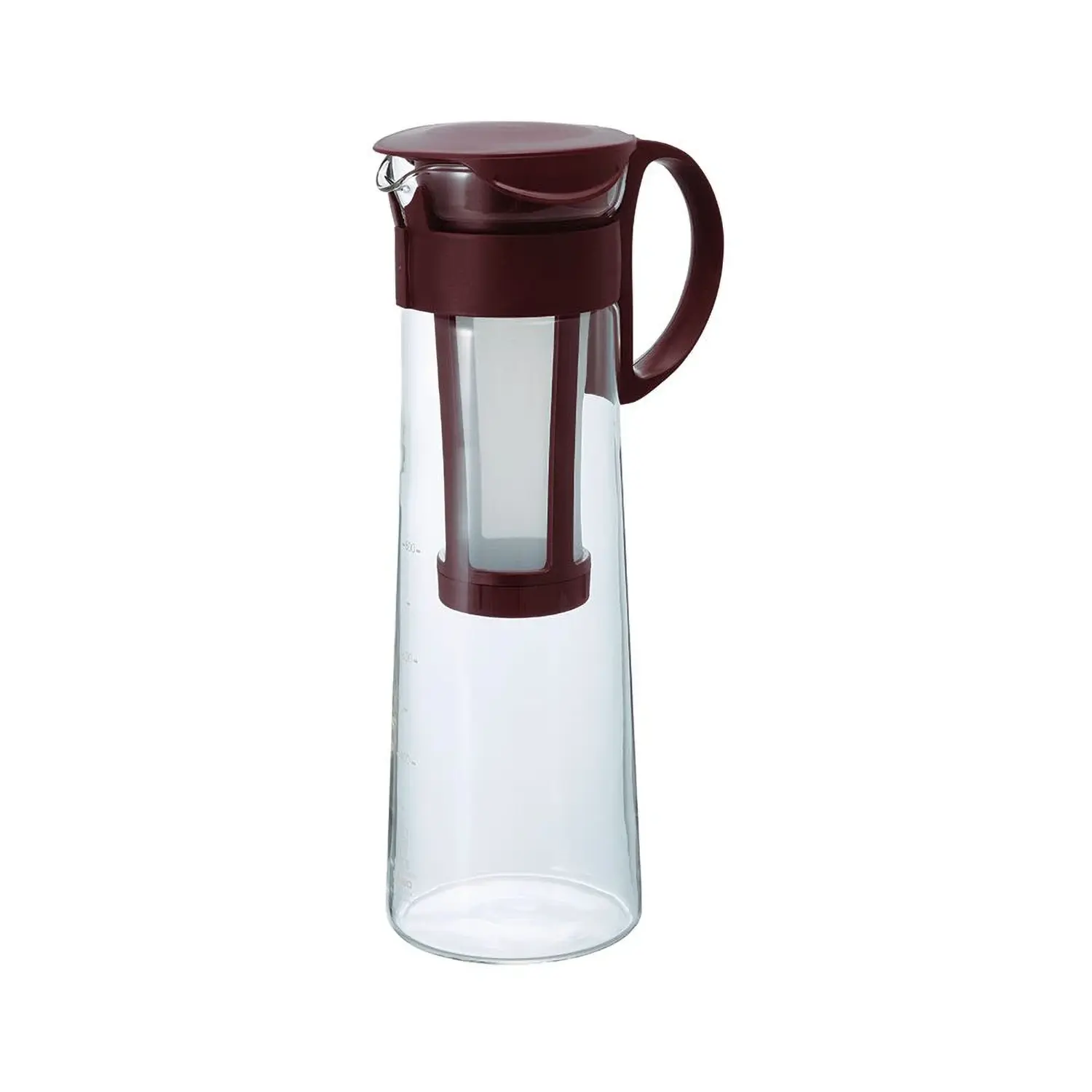
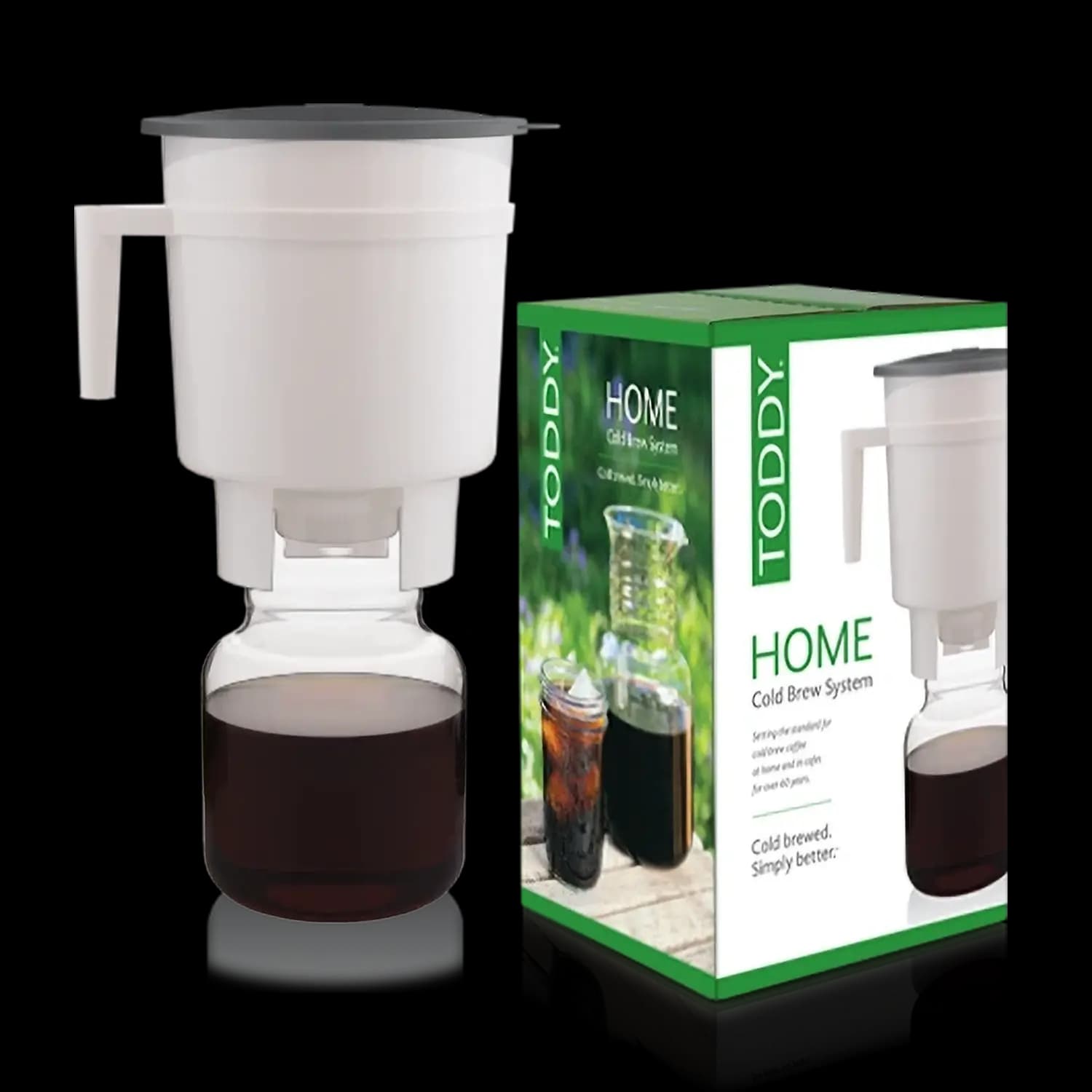
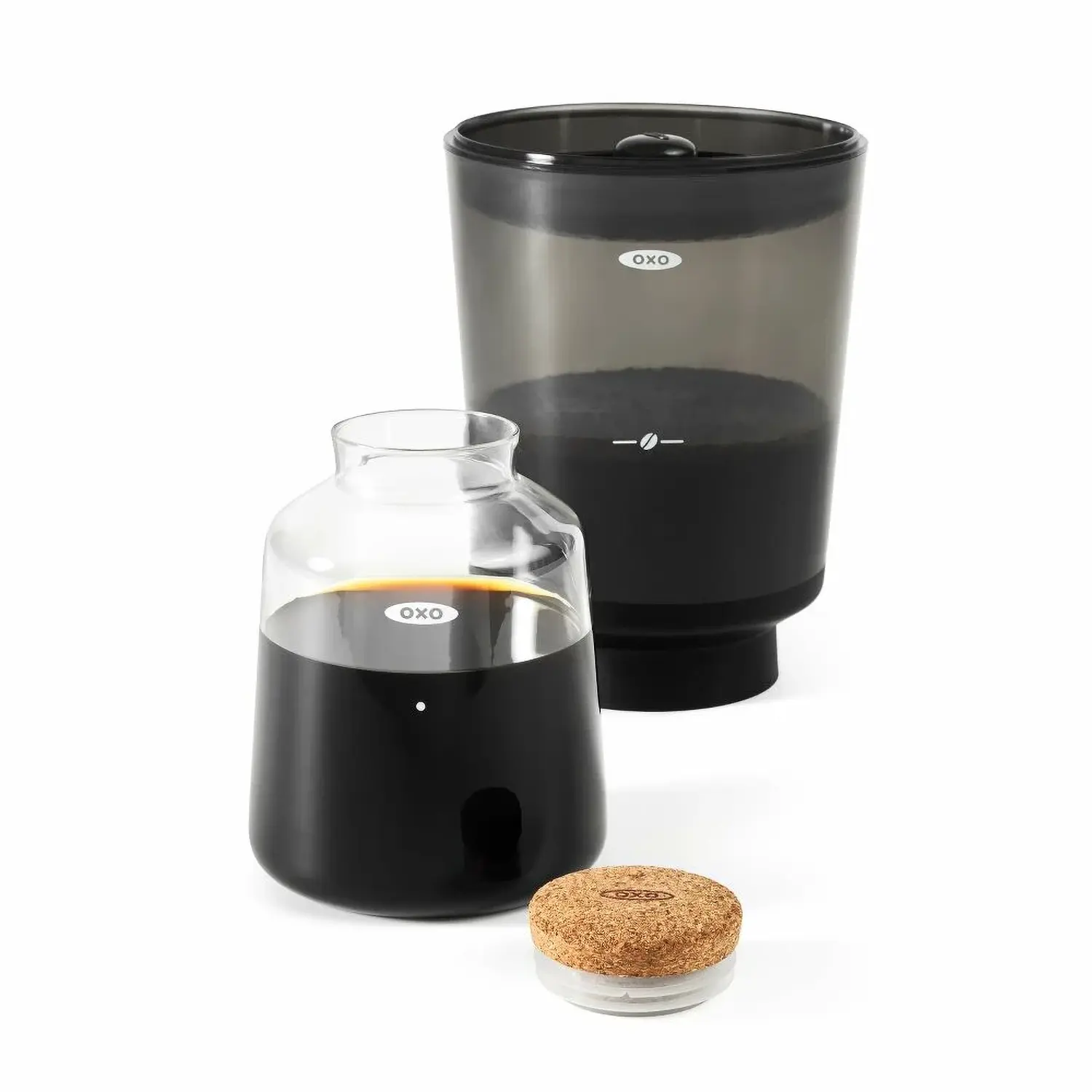
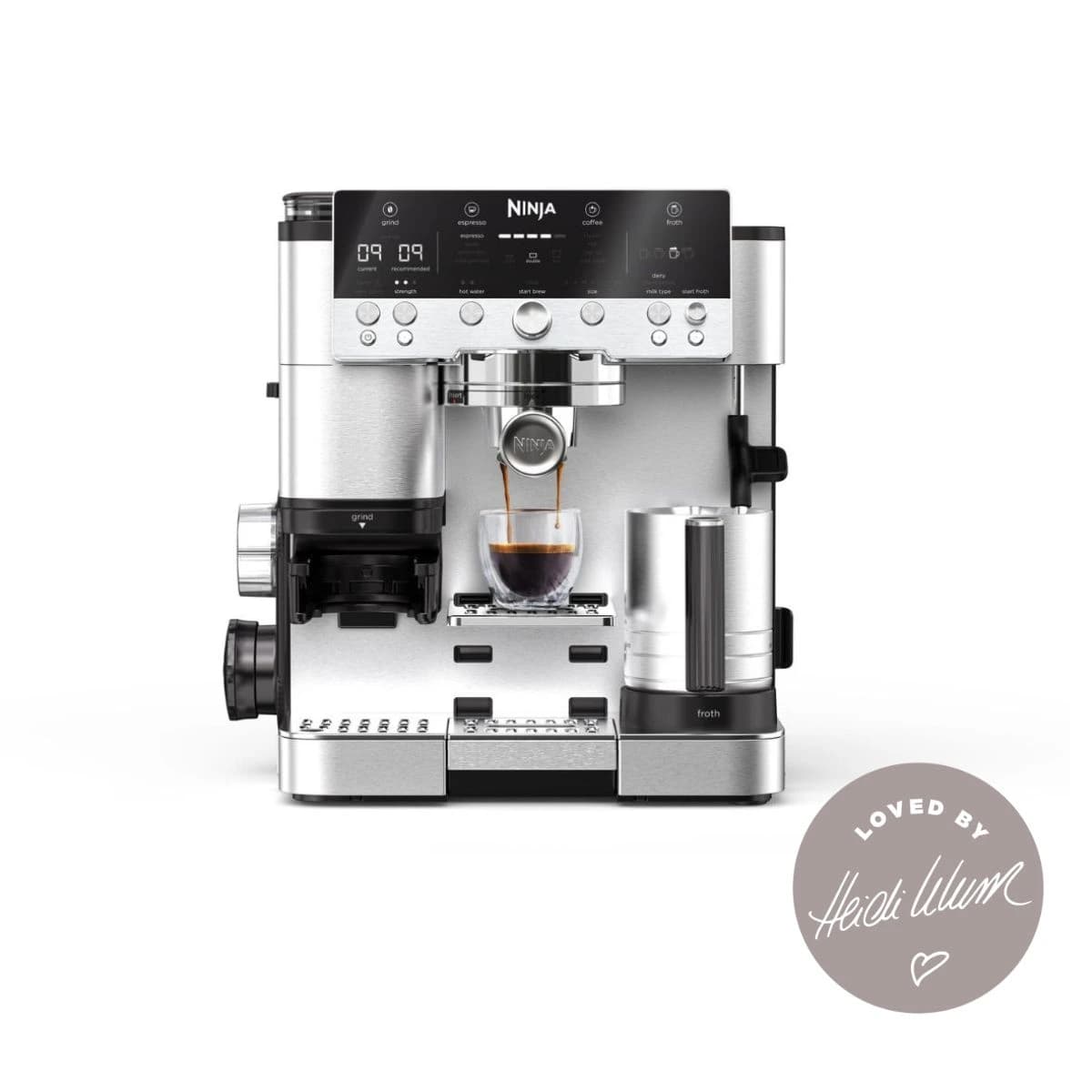
Buy the Hario Mizudashi: about twenty-five dollars, a glass jug with a mesh basket, and cold brew as good as anything on this page. Buy the Toddy if you want a week of clean concentrate, the OXO Compact if shelf space is tight, and the Ninja Luxe Café Premier only if you were buying an espresso machine anyway. A jam jar and a sieve also work, and we say so below.
Cold brew is the least demanding way to make coffee. Coarse grounds, cold water, wait most of a day, strain. A jam jar and a kitchen sieve will produce coffee indistinguishable from anything on this page, and if you already own a French press you own a cold brew maker.
So be clear about what the money buys, because it is not better coffee. It is filtration, and it is not having to pour a slurry of wet grounds through a sieve into another container at seven in the morning. Every product here is a convenience purchase, and that is a perfectly good reason to buy one as long as nobody tells you it improves the cup.
Where money genuinely does change the coffee is the grinder. Cold brew wants a coarse, even grind, and a blade grinder produces dust alongside boulders, which is what makes homemade cold brew taste muddy. A Baratza Encore will do more for your cold brew than any brewer on this list.
The filter is the real difference between these
Strip away the shapes and there are two filter types here, and they produce noticeably different cups.
FELT, which is what the Toddy uses, is a thick reusable pad that catches very fine particles. The result is the cleanest cold brew you can make at home, with no silt at the bottom of the glass. The cost is maintenance: a felt filter has to be rinsed thoroughly and kept wet in the fridge between uses, and a neglected one goes off.
FINE MESH, which is what both OXO makers and the Hario use, is a stainless basket you rinse and forget. It lets through more of the fine particles, so the cup has a little more body and a little more sediment. Most people never notice, and the maintenance is nil.
Neither is correct. If you drink your cold brew black and cold, the felt is worth the fuss. If it is going in a glass with milk and ice, the difference disappears entirely and you should buy the one that fits your fridge.
One thing worth knowing before you spend: the OXO makers take an optional paper filter for about seven dollars, so a mesh brewer can be made to produce a cleaner cup when you want one. That is a middle path the marketing does not make obvious.
A practical note on buying the Toddy, since it is the one product here we cannot link. We checked Amazon on 2026-08-18 and the home system is not sold there. What comes up instead is a wall of third-party replacement filters and stoppers, plus two genuine Toddy products that are not this one: the portable Go Brewer, and the much larger Commercial model. Buy the home system from Toddy directly or from a specialist retailer, and be careful with search results, because the accessories outnumber the brewers and the two other Toddy machines are easy to order by mistake.
Concentrate or ready to drink decides the size you need
Most of these brew a concentrate you dilute in the glass. The Hario is the exception and brews at drinking strength, which is why it holds a litre and the others hold less while lasting longer.
Concentrate is the more practical choice for a household. It takes less fridge space per serving, it keeps longer, and it lets each person mix their own strength. Ready to drink is simpler and better if you are the only one drinking it and you want to pour and go.
The trap is buying a concentrate brewer and drinking it neat, which is unpleasant, or buying a ready-to-drink brewer and expecting a week out of it. Our cold brew guide covers the ratios for each and why published recipes look like they contradict each other.
Why there is no rapid cold brew machine on this list
Several makers sell electric brewers promising cold brew in under an hour, using pressure or agitation instead of time. We have not tested one, so we are not going to rank one.
What we can say is what the published research implies. The 2017 Fuller and Rao study we cite in our cold brew guide found that a six minute hot brew fails to extract caffeine fully from coarse particles, while a cold steep running past 400 minutes does, and the authors attribute the difference to diffusion time rather than temperature. A machine compressing that into twenty five minutes is not performing the same extraction, whatever the drink tastes like. It may well make something pleasant. It is not making the same thing.
If someone gives you one, use it. We would not spend money on the category until we have put one through the same research the rest of this page rests on.
About the low acid claim on the box
Nearly every cold brew maker is sold on producing smooth, low-acid coffee. OXO's own product copy says exactly that. It is worth knowing what the measurements show before you buy on that basis.
Fuller and Rao measured this in 2018 and found the pH of cold brew and hot brew effectively identical, cold at 4.96 to 5.13 against hot at 4.85 to 5.10. Cold brew did contain fewer acids by total quantity, which is a real difference, but it is not the one most people picture when they read low acid. The same study found hot brew higher in antioxidant activity.
None of that is a reason to avoid cold brew, which is a genuinely good drink and the reason this page exists. It is a reason not to pay extra for a brewer because of a health claim on the carton. Buy one because you want cold coffee in the fridge without straining it yourself, which is the honest pitch for every product here.